Does Belly Binding Really Help? An RN's Guide to Postpartum Recovery
Many new mums wonder whether belly binding really works after giving birth.
The short answer is yes — but not in the way many people think.
Belly binding is not a magic solution for weight loss or “shrinking your waist overnight”. Instead, when used appropriately, it may provide gentle support during postpartum recovery and can be one part of a broader recovery plan.
What Is Belly Binding?
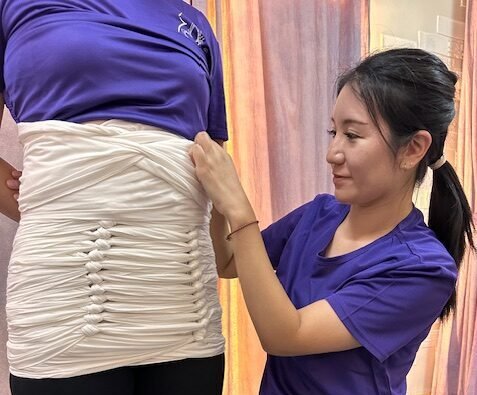
Belly binding is a traditional postpartum practice that has been used in many Asian cultures for generations, particularly in Indonesia, where it is commonly known as Bengkung Belly Binding.
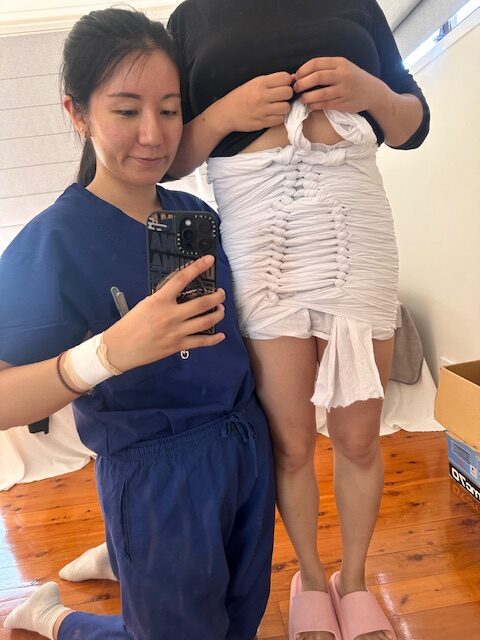
Unlike a modern abdominal binder, traditional belly binding uses a long cotton cloth wrapped firmly around the abdomen after childbirth.
The purpose is not to lose weight or “shrink your waist overnight.” Instead, the gentle external compression may help provide support to the abdominal wall while the body is recovering after pregnancy.
Belly binding is usually worn for approximately 6–8 hours per day, depending on the mother’s comfort, recovery stage and daily activities.
When combined with appropriate breathing, movement and postpartum recovery strategies, belly binding can become one part of a comprehensive recovery plan rather than a stand-alone treatment.
How Belly Binding May Support Diastasis Recti Recovery
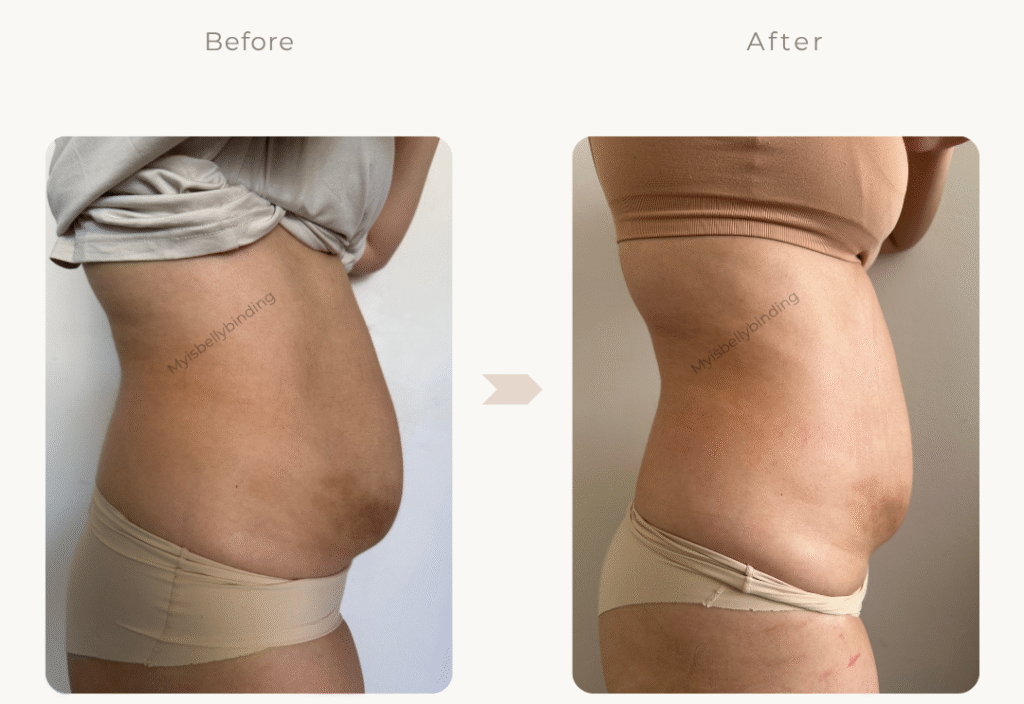
Current research suggests that belly binding may provide gentle support to the abdominal wall, helping some women feel more supported during early postpartum recovery.
While belly binding alone is not considered a treatment for diastasis recti, it may help by:
✔ Supporting the abdominal wall during daily activities.
✔ Improving body awareness and posture.
✔ Encouraging mothers to engage their deep core muscles more effectively when combined with breathing exercises.
✔ Providing confidence during movement in the early postpartum period.
For this reason, at Mysis we combine belly binding with RN-led assessment, breathing retraining and core recovery strategies, rather than relying on belly binding alone.
Who May Benefit From Belly Binding?
Mothers who feel their abdomen lacks support
Many women describe their abdomen as feeling “heavy”, “weak” or “unsupported” during the first few weeks after birth.
Mothers recovering from Diastasis Recti
When combined with breathing exercises and appropriate rehabilitation, belly binding may provide additional external support while rebuilding core function.
Mothers recovering after a Caesarean birth
Once the incision has healed appropriately and after professional assessment, belly binding may help some mothers feel more comfortable during daily movement.
Mothers experiencing poor posture after pregnancy
Changes in rib position, abdominal muscle length and pelvic alignment during pregnancy can affect posture.
External support may help some mothers feel more aware of their posture while recovering.
Mothers returning to daily activities
Lifting the baby.
Walking.
Housework.
Breastfeeding.
Some mothers simply feel more comfortable wearing additional support during these activities.
Is belly binding safe?
For most healthy mothers, belly binding is generally well tolerated when it is worn comfortably and used appropriately.
The key is that belly binding should provide gentle support rather than excessive compression.
Many people believe that wrapping tighter leads to better results, but this is a common misconception.
A comfortable fit that allows you to breathe, move and carry your baby normally is usually more important than how tight the wrap feels.
Common Questions From New Mums
Will belly binding affect my daily activities?
Most mothers are still able to carry out their normal daily activities, including walking, sitting, driving and caring for their baby. The main movement you may notice is that squatting deeply can feel slightly more restricted because of the supportive wrap.
Can I breastfeed while wearing belly binding?
Yes. Belly binding is wrapped around the abdomen and should not interfere with breastfeeding. Most mothers are able to breastfeed comfortably while wearing it.
Will it be too tight or uncomfortable?
Most mothers describe belly binding as feeling supportive rather than uncomfortable. We adjust the tension according to your comfort level each day, so it should feel secure without making you feel restricted.
Can I go to the toilet while wearing belly binding?
Yes. Belly binding should not interfere with normal urination or bowel movements. Most mothers continue their usual daily routine while wearing it.
Is belly binding safe after a C-section?
For many mothers, belly binding can be considered once the incision has healed well. As a general guide, this is often around 8–10 weeks postpartum, after your doctor has confirmed that healing is progressing well. We also assess your comfort, scar mobility and stage of recovery before recommending it.
How many hours should I wear it each day?
Most mothers wear belly binding for around 6–8 hours per day, depending on their comfort, lifestyle and stage of recovery.
Can I sleep with belly binding?
We generally don’t recommend wearing belly binding while sleeping.
At night, your body should have the opportunity to fully relax and rest. Many mothers also find that sleeping with the wrap on feels uncomfortable and may affect their sleep quality.
For this reason, we usually recommend wearing belly binding during the day for around 6–8 hours, then removing it before going to bed.
Looking for belly binding in Sydney?
Every mother’s recovery journey is different.
If you’re unsure whether belly binding is right for you, we’re here to help.
✔ RN-led postpartum recovery
✔ Personalised assessment
✔ Home visits across Sydney
* Individual results may vary and do not replace medical advice.