Postpartum Belly Binding vs Waist Trainers: What's the Difference?
If you’re newly postpartum and looking into abdominal support, you’ve probably come across two options that often appear in the same searches: postpartum belly binding and waist trainers. While they may look similar at first glance, they can differ in their design, level of compression and intended use. Understanding those differences can help you choose an option that feels appropriate and comfortable for your stage of recovery.
What Is Postpartum Belly Binding?
Postpartum belly binding is a form of abdominal support that uses a wrap or cloth around the midsection. Depending on the style and technique, it can provide gentle external support and a feeling of stability and comfort during the postpartum period.
At Mysis, we generally recommend waiting until lochia has stopped and the body has had time to recover before beginning our traditional belly-binding service. As a general guide, we usually consider at least 4 weeks after a vaginal birth. For C-section clients, we also consider incision healing and medical clearance before proceeding, often around 8–10 weeks postpartum.
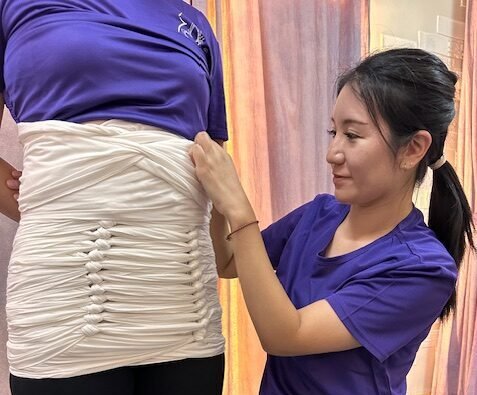
Traditional forms of postpartum binding have been practised across different cultures for generations. At Mysis, we use our own signature double-knot method as part of our postpartum recovery approach.
What Is a Waist Trainer?
A waist trainer is generally a firmer, more structured garment designed to provide compression around the waist and create a more defined silhouette while it is being worn. Some designs may use boning or other structured materials, while others rely mainly on compression fabric.
This is different from traditional belly binding in terms of how the garment is constructed and the level and type of compression it is intended to provide. Whether and when a waist trainer is appropriate after birth depends on the individual, the type of garment and the stage of recovery.
The key difference is therefore not simply that one is “good” and the other is “bad”. They are different types of support, designed with different features and purposes in mind.
The Key Differences
| Postpartum Belly Binding | Waist Trainer | |
|---|---|---|
| Purpose | Support and comfort during recovery | Shape the waist |
| Material | Soft, breathable, flexible | Firmer, often boned |
| Timing | Once lochia clears and healing has begun | Generally after medical clearance, later in recovery |
| Movement | Moves with your body | Restricts movement |
| Pressure | Gentle, even support | Firm, concentrated cinching |
These aren’t just different features on paper — they reflect two different goals. Choosing based on what your body actually needs right now, rather than what looks similar in a product photo, makes the biggest difference to how comfortable your recovery feels.

Why Not Just Buy a Waist Trainer (or Any Belly Band) Online?
In almost every consultation I do, a new mum asks me some version of the same question: “Aren’t these basically the same thing? Which one’s actually going to be comfortable?” It’s a completely fair question — the two products are marketed side by side online, and from a photo, they can look interchangeable. From a product photo alone, it can be difficult to tell how a wrap will feel, how much compression it provides, or whether its design suits what you’re looking for.
A few things worth considering before choosing a postpartum support wrap:
There are many different types of postpartum support products available, and they can vary considerably in their design, level of compression, coverage and intended use. Rather than assuming one type is better than another, it’s worth looking at what a particular wrap is designed to provide and whether it suits your stage of recovery.
Coverage: Some postpartum wraps provide broader coverage from around the lower ribs or abdomen towards the hips, while others are designed to support a more specific area. Consider which areas you would like support around and whether the shape of the wrap feels comfortable for your body.
Fabric: Materials and levels of stretch vary between products. Some wraps are softer and more flexible, while others provide firmer compression. The most suitable option will depend on your comfort, preferences and how your body is changing during recovery.
Fit: Your body can change considerably during the postpartum period, so comfort and adjustability are important. A wrap that can be adjusted as your body changes may feel more practical than one with a fixed fit.
Technique: Belly binding is not only about the material itself. How a wrap is positioned and applied can also affect how it feels and how well it provides support. At Mysis, we use our signature double-knot method and adapt the application according to each client’s stage of recovery and individual needs.
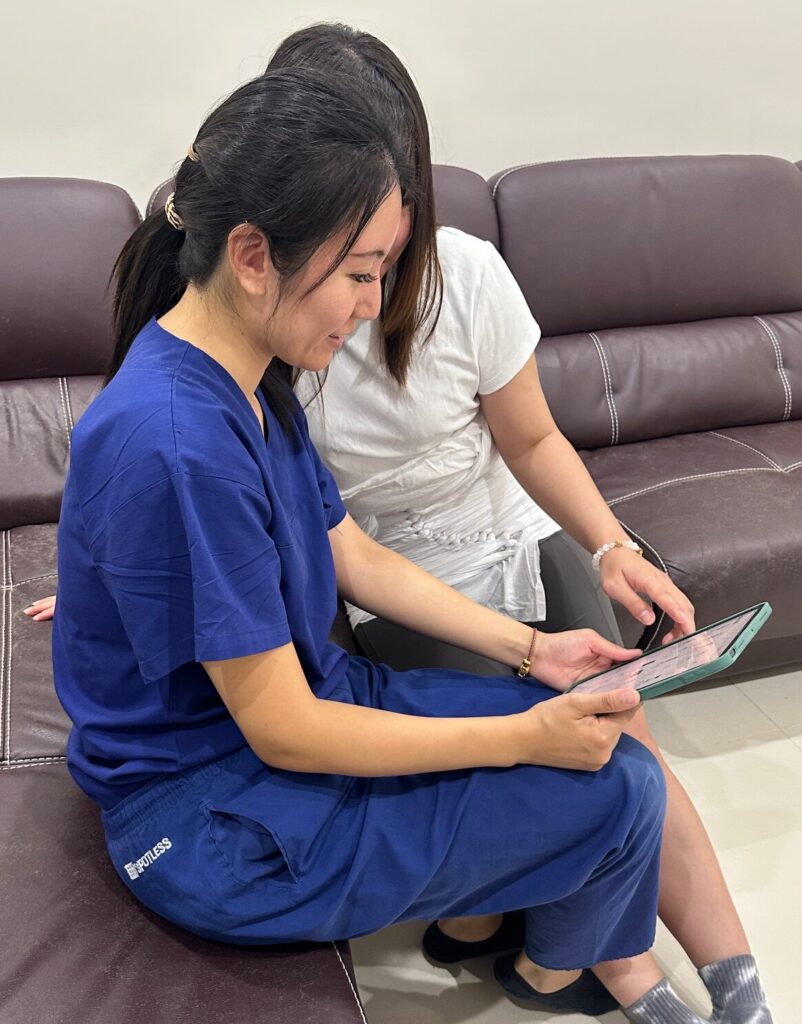
This is really the heart of the difference between choosing a postpartum support product and having a professional binding session: the wrap itself is only one part of the experience. The way it is fitted, applied and adapted to your recovery can also make a difference. This is why we recommend an individual assessment before starting, so the approach can be tailored to where you are in your postpartum recovery.
It’s also one of the reasons I don’t like giving a generic answer over the phone or in a message — the right answer genuinely depends on how your body is healing, not just how many weeks it’s been. That’s exactly what a proper assessment is for.
Common Questions From New Mums
Is belly binding the same as waist training?
No. Postpartum belly binding uses a soft, breathable wrap designed to support your body as it heals, while a waist trainer is a firmer, often boned garment designed to shape and cinch the waist. They’re not interchangeable — one is built for recovery, the other for silhouette.
Will belly binding fix diastasis recti?
Belly binding provides gentle support and can improve comfort and posture, but it isn’t a substitute for targeted rehabilitation. If you’re concerned about abdominal separation, it’s worth understanding the condition properly first — see our guide: What Is Diastasis Recti?
How do I know if what I bought online is a proper postpartum wrap or a relabelled waist trainer?
Check the coverage, the fabric, and the application method. A proper postpartum wrap covers from just below the chest down to the hips, uses soft, breathable fabric rather than stretchy exercise material, and is applied using a specific technique — not just wrapped on. If a product only covers the abdomen and looks identical to a gym waist trainer, it’s likely been relabelled rather than purpose-built for postpartum recovery.
Is belly binding safe after a C-section?
For many mothers, belly binding can be considered once the incision has healed well. As a general guide, this is often around 8–10 weeks postpartum, after your doctor has confirmed that healing is progressing well. We also assess your comfort, scar mobility and stage of recovery before recommending it. It’s also common to notice some tightness around the scar during this time — read more here: Why Does My C-Section Scar Feel Tight?
How many hours should I wear a belly bind each day?
Most mothers wear belly binding for around 6–8 hours per day, depending on their comfort, lifestyle and stage of recovery.
How do I know I'm ready to start belly binding?
As a general guide, you’re generally ready once your lochia has fully stopped and you’ve had medical clearance — often at least 4 weeks after a vaginal birth, or 8–10 weeks after a C-section. Everyone heals at a different pace, so this is something we confirm together at your consultation rather than by counting weeks alone.
Is belly binding uncomfortable or too warm to wear?
Properly fitted binding, using a breathable fabric, is designed to feel supportive rather than restrictive. Comfort does vary from person to person, so throughout your sessions we adjust the tightness based on how you’re feeling and how your body is changing, rather than applying it the same way every time.
Looking for belly binding in Sydney?
Every mother’s recovery journey is different.
If you’re not sure which stage of recovery you’re in, or whether belly binding or something else is right for you, we’re here to help.
✔ RN-led postpartum recovery
✔ Personalised assessment
✔ Home visits across Sydney
* Individual results may vary and do not replace medical advice.